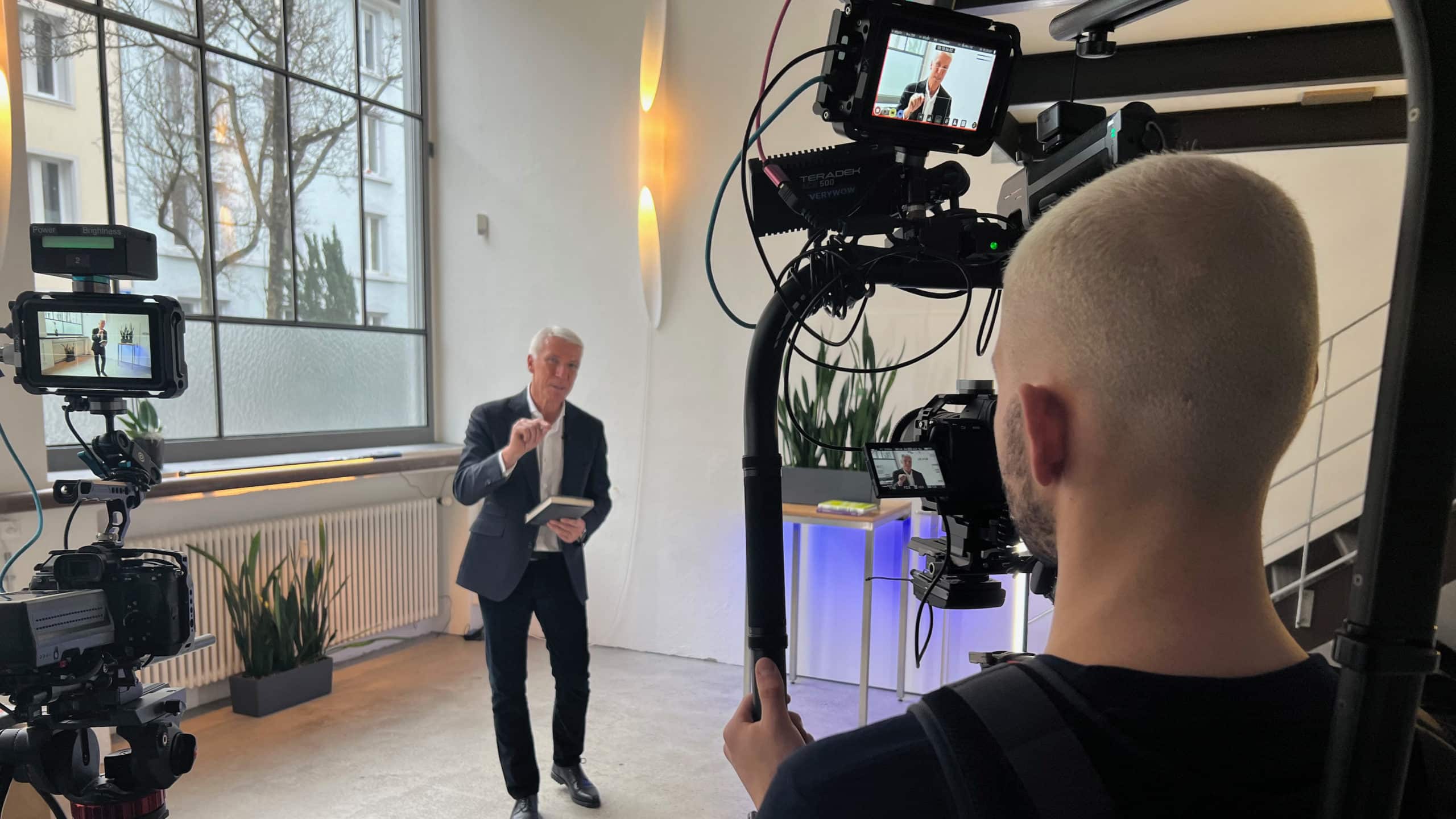
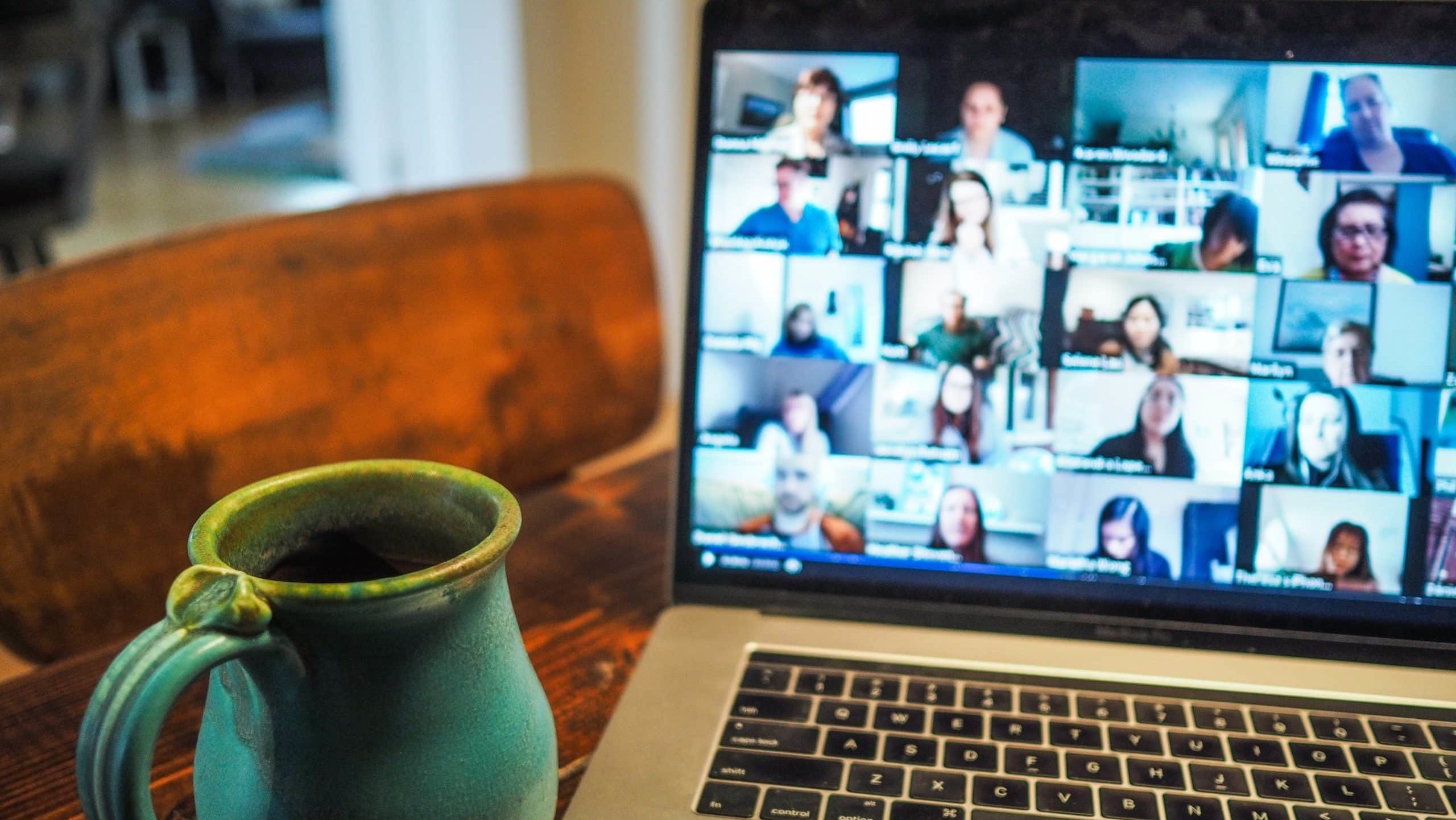
Virtual events do not become boring because they are virtual. They become boring when the format stays passive, the audience is treated as a crowd instead of a group of people, and the programme offers too little reason to stay present.
The good news is that monotony in virtual events is usually not mysterious. It comes from repeatable design mistakes. That means it can also be improved with deliberate choices in format, moderation, interaction, and follow-up.
Table of Contents
Identifying the common factors causing monotony
If organisers want more engaging virtual events, they first need to see what creates flatness in the first place. Most of the causes are structural rather than technical.
Static, one-way presentations
A long sequence of speakers with slides creates distance very quickly online. Without interruption, variation, or response, the audience becomes an invisible mass rather than an active participant group.
Lack of personalization and customization
Virtual audiences are rarely uniform. If the programme speaks to everyone in the same generic way, it often lands weakly for most people. Relevance drops when organisers do not decide clearly who each segment is really for.
Minimal interaction between speakers, MC, and attendees
Virtual events need active connective tissue. If speakers talk, the MC fills gaps, and attendees only watch, the event starts to feel transactional and isolating. Interaction is not a bonus online. It is part of the format’s basic credibility.
Limited platform features
Sometimes the platform itself narrows the experience. If the tool only supports speaking and chat, organisers need to work harder to create variation. Polls, reactions, breakout logic, visible questions, and guided networking can all change how alive the room feels.
Ways to make virtual events unique and special
Once the causes are clear, the improvement path becomes practical. Stronger virtual events are usually built through better audience design, stronger moderation, and more purposeful use of the platform.
Your audience and their needs
Start with audience purpose. Why should people attend, stay, and come back? The clearer the answer, the easier it becomes to design content, interaction, and next steps that feel relevant rather than decorative.
Interactive formats
Switching from presentation mode to interactive formats changes energy fast. Interviews, moderated Q&A, polls, decision moments, case breakdowns, and smaller breakout exchanges all create reasons for attention to return.
Networking as an integral part of your virtual event
Networking should not be treated as an optional side room. If connection matters, it needs facilitation, prompts, and enough time. Otherwise attendees often skip it or experience it as awkward open space.
Creation of a community
Virtual events improve when they feel like part of a larger relationship instead of a one-off broadcast. Pre-event prompts, community channels, and useful post-event follow-up can help the audience feel that attendance leads somewhere.
Your branding
Branding should create atmosphere and orientation, not visual noise. A consistent visual system, clear moderation style, and coherent event language usually do more than overloaded graphics or effects.
FAQ
What makes virtual events feel boring most often?
Passive formats, weak moderation, low relevance for the audience, and too little interaction.
Do virtual events always need breakout rooms?
No. They need meaningful interaction. Breakouts help only when the design and facilitation are strong enough to support them.
Why is moderation so important online?
Because the audience can disengage quickly and quietly. Strong moderation keeps the event socially alive.
What should organisers define before building the agenda?
Who the event is for, what attendees should gain, and what kind of interaction the format genuinely needs.
Can branding make a virtual event more memorable?
Yes, if it supports recognition and coherence rather than overwhelming the experience with unnecessary effects.