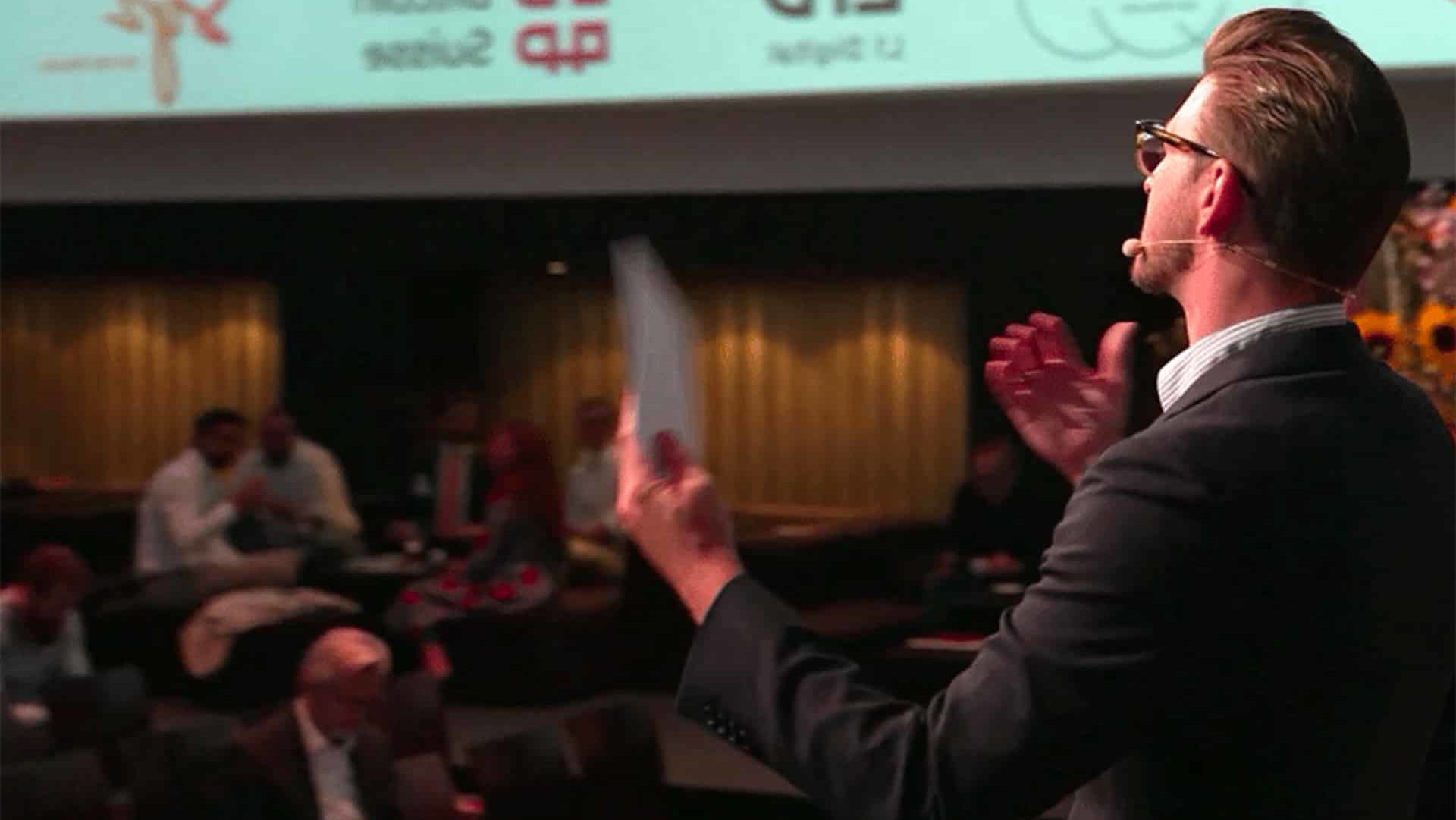
A strong MC does much more than announce speakers. They protect the rhythm of the event, maintain trust in the room, and help the audience feel guided rather than managed.
That role becomes more valuable as event formats become more complex. Conferences, hybrid events, and multi-stakeholder programmes need someone who can connect segments, hold energy, and respond well when things do not go exactly to plan.
Table of Contents
The tasks of an MC
An MC shapes the experience between the official programme moments. That space is easy to underestimate, but it is often where an event either gains coherence or starts to feel fragmented.
Setting the tone and maintaining energy levels
The opening minutes matter. A good MC can make the audience feel welcomed, oriented, and ready to listen. Throughout the event, they help adjust energy without becoming theatrical, which is especially important in professional settings where tone needs to stay credible.
Time management and smooth transitions
Time discipline is part of audience respect. A strong MC keeps sessions moving, frames handovers cleanly, and helps correct drift before the whole programme slips. That matters even more in multi-track or tightly scheduled events.
Transitions are not filler. They help the audience understand why one segment follows another.
Enhancing audience engagement
Audience engagement is rarely created by hype alone. It comes from framing, listening, and the ability to ask questions that bring out what matters. A skilled MC can make speakers sound sharper and the audience feel more involved.
Dealing with a hybrid audience
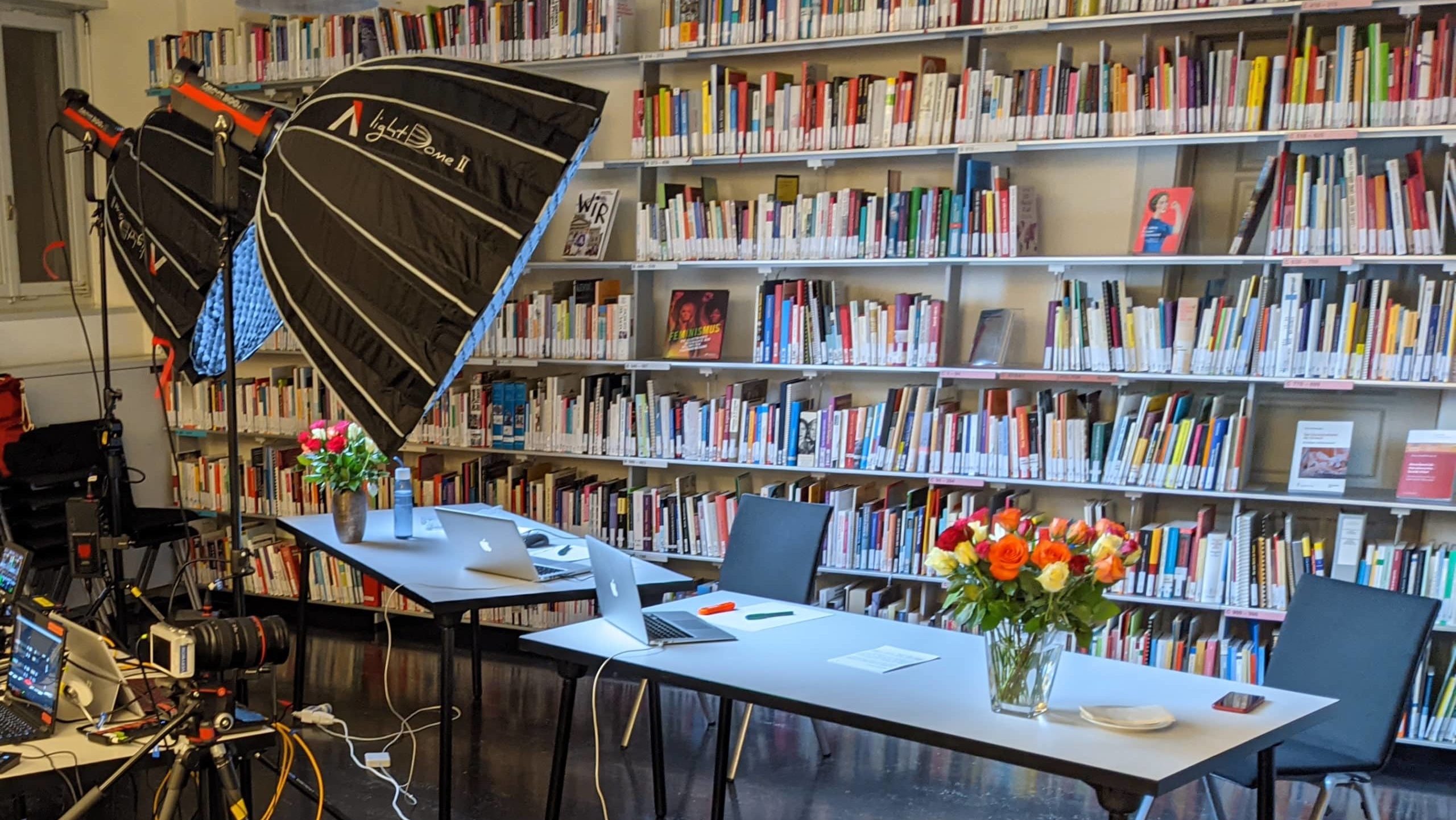
Hybrid events raise the bar. Virtual participants can become second-class attendees very quickly if nobody actively bridges the room and the stream. A good MC knows how to address both groups, acknowledge remote questions properly, and avoid making one side feel peripheral.
That requires conscious moderation, not only technical connection.
Crisis management and adaptability
Something unexpected almost always happens at live events. When timing breaks, speakers run long, or a technical issue hits, the MC becomes the person who stabilises the room. Calm improvisation is one of the most valuable skills in the role.
Tip: When you evaluate potential MCs, look for presence under pressure, not only charm in a calm meeting.
Balancing community involvement and professional expertise
Choosing the right MC often means balancing familiarity and craft. A person from within the community may understand the audience deeply. A professional MC may bring stronger stage control, pacing, and moderation discipline.
Advantages of a community-sourced MC
A community-sourced MC can bring trust, subject familiarity, and a natural connection to the people in the room. That can make the event feel more rooted and less generic.
The risk is that familiarity alone does not create stage discipline. If the event requires strong control, the role may ask for more experience than goodwill can cover.
Pairing a community member and a professional MC
In some cases, the best solution is a duo. A community representative can provide context and legitimacy, while a professional MC protects flow, time, and performance quality. The pairing works best when the roles are clearly defined.
Tip: If budget allows, consider whether one person should hold the room while the other adds community intelligence.
FAQ
What does an MC do that a simple speaker intro cannot?
An MC manages rhythm, transitions, audience trust, and the overall feel between programme moments.
When is a professional MC especially valuable?
In hybrid events, complex programmes, or situations where timing, moderation, and room control matter a great deal.
Can a community member be the right MC?
Yes, if the person has enough presence, clarity, and discipline for the demands of the programme.
What should organisers test before hiring an MC?
How the person handles pressure, timing, speaker handovers, and awkward situations, not only how they present themselves in conversation.
Why is hybrid moderation harder than in-room moderation?
Because the MC has to make two audiences feel equally addressed while the event is happening on different channels at once.