
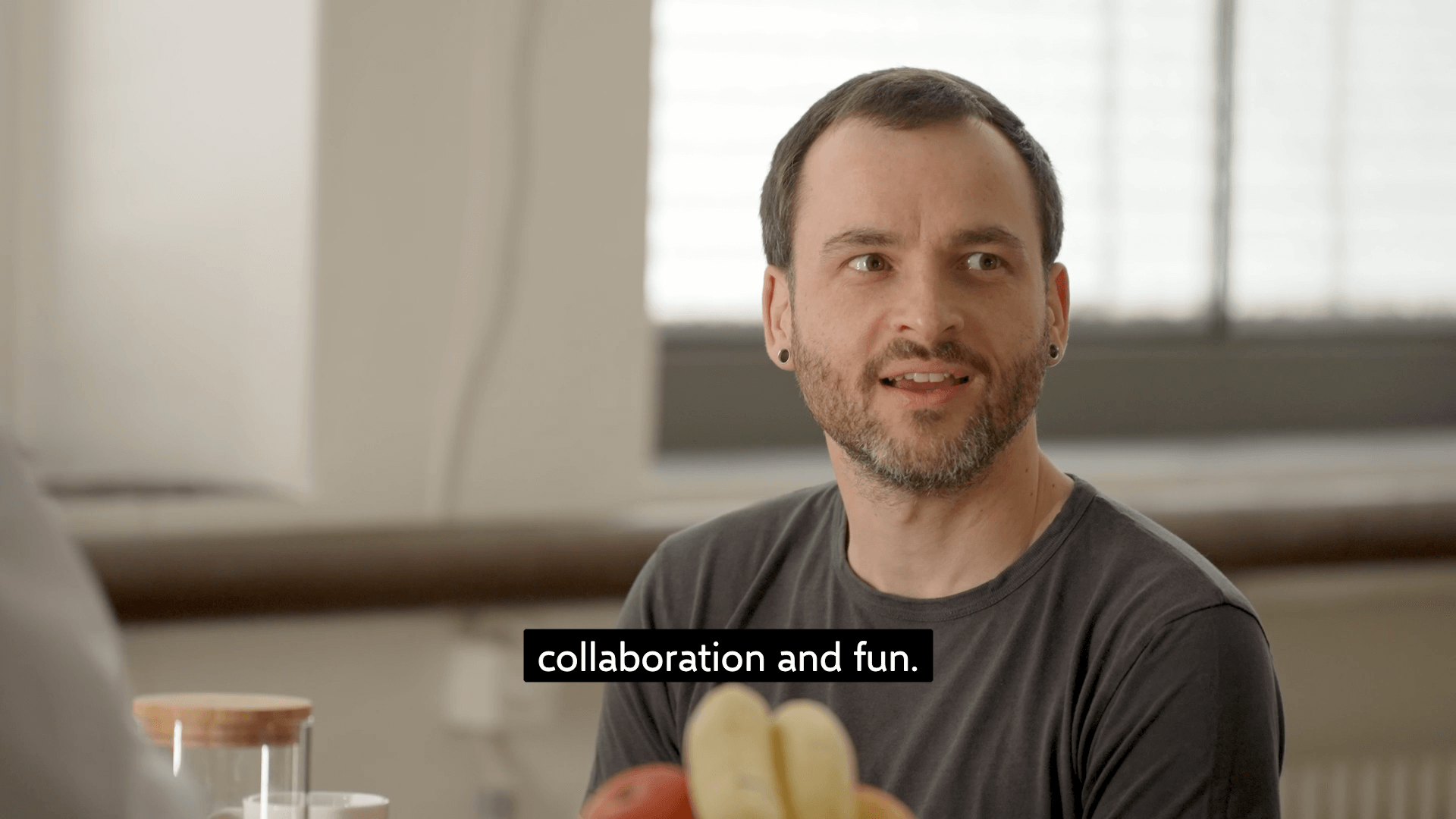
Recruitment videos attract stronger candidates when they show the role, the people, and the working reality with honesty. They underperform when they look polished but say very little about what the job is actually like.
That makes recruitment video a strategic hiring tool rather than a branding accessory. The best examples help candidates self-select early and give your team a clearer, warmer way to explain why the opportunity matters.
Table of Contents
Understanding the power of recruiting videos
Written job descriptions still matter, but they are rarely enough on their own. Candidates want signals about how the company works, what kind of manager they might report to, how the team communicates, and whether the environment feels credible. Video can answer those questions faster than a long page of generic copy.
That does not mean every role needs a cinematic production. A useful recruitment video is one that reduces uncertainty. If it helps the right candidate understand the role and the company more clearly, it is doing its job.
Employer branding video
An employer branding video gives shape to how your company wants to be understood as a place to work. It can show the tone of leadership, the rhythm of collaboration, the kind of work people actually do, and the standard the organisation expects. That matters because candidates judge the workplace long before they ever speak to a recruiter.
The strongest employer branding videos do not rely on slogans. They use authentic employee stories, hiring manager perspective, and clear visual evidence. A candidate should come away with a sharper sense of fit, not a vague impression that the company is “great”.
Strategic reasoning for a recruitment video
Recruitment videos are useful because they work at more than one level. They can improve reach, clarify expectations, support employer brand, and save time for hiring teams by answering common questions before the first conversation.
The benefits of using recruiting videos
Video makes the opportunity more concrete. Candidates can see the team, hear the language the company uses, and understand the energy of the environment. That often creates a more accurate first impression than copy alone.
It also improves consistency. Instead of every recruiter or hiring manager explaining the role differently, the video can establish one clear narrative. That is especially useful for high-volume hiring, hard-to-explain roles, or positions where culture and communication style are part of the decision.
Distribution is another advantage. A recruitment video can live on the careers page, inside job posts, across LinkedIn, in outreach messages, and in follow-up communication with shortlisted candidates. One asset can support several moments in the hiring journey if it is built with that in mind.
Why your company needs a recruiting video
Not every company needs a recruitment video for every vacancy. The format becomes particularly valuable when the organisation competes for attention, hires in specialised markets, or wants to explain a role that is easy to misunderstand from text alone.
It is also useful when trust is part of the hiring challenge. Candidates want to know whether the company really matches its public claims. A well-made video can reduce the distance between employer promise and lived reality by showing real people speaking plainly about their work.
That plainness matters. Recent LinkedIn guidance on recruiting video stresses authentic employee stories, hiring manager insight, and useful content over overproduced brand theatre. The candidate should feel informed, not marketed at.
Creating an effective employer branding video: Tips & tricks
A good recruitment video respects the candidate’s time. It shows enough to create confidence, but not so much that the message becomes padded. Specificity is usually more persuasive than polish.
Showcasing company culture
Culture is one of the most misused words in recruitment. Candidates do not need abstract claims about collaboration or innovation. They need visible proof of how people work together, how decisions are made, and what daily life feels like. Show real interactions, real spaces, and the kind of work the team is actually proud of.
That can include office footage, hybrid work routines, team rituals, or examples of how employees handle responsibility. If flexibility, learning, or inclusion are part of the promise, the video should show evidence rather than rely on a line in a script.
Demonstrating expertise and innovation
Strong candidates want to know whether the work is serious. That is why the video should not stop at atmosphere. It should also show the substance of the company: the quality of its thinking, the standards it sets, and the complexity of the work people would be joining.
For some roles, that means showing products, workflows, projects, or the problems the team solves. For others, it means hearing from a leader or expert who can explain why the work matters and where the company is trying to go. A candidate should be able to answer one practical question afterwards: “Will I learn something meaningful here?”
Employee testimonials and success stories
Employee voices are often the most credible part of the video, provided they sound like people rather than scripts. Ask employees to describe what changed after they joined, what they were trusted with early, what surprised them, and why they stayed. Concrete answers are more persuasive than generic praise.
Use a mix of perspectives if possible. A new hire, an experienced specialist, and a team lead will each reveal something different. Together they create a fuller picture of growth, expectations, and support.
Engaging with passive candidates
Passive candidates are not waiting for job ads. They notice interesting work, credible people, and signs that a company might be worth a conversation. Video helps because it is easier to consume quickly and easier to share across personal and professional networks.
That does not require a single flagship film only. Shorter recruitment videos, hiring-manager clips, and employee-led posts on LinkedIn can work well when they point to a real opportunity and a clear next step. Useful content often travels further than a broad image piece.
Crafting your recruiting video in 5 simple steps
Creating a strong recruitment video does not need to be complicated. It does need clear thinking. These five steps keep the process practical.
- Define the role, audience, and goal
Be precise about who you want to reach and what the video should achieve. A graduate campaign, a specialist hire, and a leadership search need different messages. - Choose one clear angle
Decide what the candidate should understand after watching. That might be the nature of the work, the quality of the team, the growth opportunity, or the mission behind the role. - Plan the story before filming
Select the people, locations, and moments that can prove the message. A short outline and shot plan save time and prevent the video from drifting into generic brand footage. - Prioritise clarity in production
Clear sound, concise interviews, captions, and purposeful editing matter more than flashy effects. Candidates will forgive simplicity sooner than they will forgive confusion. - Distribute and measure properly
Publish the video where candidates actually encounter the role: careers pages, LinkedIn, outreach, job ads, and follow-up emails. Track view quality, click-throughs, and applications rather than views alone.
In the end, the purpose of a recruitment video is straightforward. Help the right people understand the opportunity with more confidence and less guesswork. If the video achieves that, it becomes a hiring asset rather than another content piece.
FAQ
How long should a recruitment video be?
Short enough to stay focused. Many effective recruitment videos work well in 60 to 120 seconds, while more detailed role or culture pieces can be longer if every section adds real value.
What should a recruitment video show first?
Start with the role, the team, or the core reason the opportunity matters. Candidates should understand within seconds what the job is about and why they should keep watching.
Do recruitment videos need professional production?
Not always. Professional help can raise quality, but credibility matters more than gloss. Clear sound, strong structure, and honest content often matter more than expensive visuals.
Who should appear in a recruiting video?
Usually a mix works best: one hiring manager or leader for context and one or more employees for lived perspective. Together they make the message more specific and more believable.
Where should a recruitment video be published?
Place it where candidates already encounter your company: on the careers page, in relevant job posts, on LinkedIn, in targeted outreach, and in follow-up communication during the hiring process.