The best thought leadership videos do not try to look important. They make expertise useful, specific, and credible for the audience that actually needs it.
That usually means less corporate polish and more editorial discipline. Strong thought leadership videos start with a clear point of view, stay close to real expertise, and respect the viewer’s time from the first sentence to the last.
Table of Contents
Understanding the concept of thought leadership videos
Thought leadership videos are not ordinary corporate updates. Their job is to help the audience understand something better, decide with more confidence, or see an issue from a sharper angle. If the video mainly promotes the company, viewers notice quickly.
The format works best when the audience leaves with a clear idea, not just a positive brand impression. That is what turns expertise into authority.
Defining thought leadership in video content
A thought leadership video should explain, interpret, or challenge something that matters to the audience. It can answer a recurring question, frame a market shift, compare approaches, or name a mistake others keep repeating.
What it should not do is hide a sales message inside generic advice. The more specific the insight, the more credible the video becomes.
The importance of authenticity in thought leadership videos
Authenticity matters because audiences can sense rehearsed authority. A speaker does not need to sound casual to feel credible, but they do need to sound real. That usually comes from honest language, relevant examples, and the confidence to stay concrete.
Real expertise includes limits, trade-offs, and lessons from practice. Those details give the video weight.
Planning process for thought leadership videos
Good thought leadership is planned long before filming. The team needs a working definition of the audience, the question being answered, the expert’s angle, and the one thing viewers should remember afterwards.
If those decisions stay vague, the recording often becomes broad, repetitive, and difficult to edit into something sharp.
Identifying your unique perspective and expertise
Most markets already have enough summary content. What they lack is informed perspective. The useful question is not only what your expert knows. It is what they see differently because of their role, experience, or proximity to real decisions.
That perspective becomes stronger when it is tied to evidence: client patterns, repeated objections, implementation lessons, or a change that is easy to miss from the outside.
Planning your video content strategy
Video strategy starts with topic discipline. Decide which audience question the video addresses, which stage of the buyer or stakeholder journey it supports, and where the finished piece will be used.
That affects length, framing, and depth. A short LinkedIn clip and a website article-video hybrid can cover the same theme, but they need different pacing and different levels of context.
Scripting for authenticity and engagement
A script should create clarity, not stiffness. Many experts perform best with a structured outline: opening answer, key proof points, one example, one counterpoint, and a clear closing takeaway.
That leaves room for natural phrasing while protecting the logic. Viewers forgive minor imperfections in delivery. They rarely forgive vagueness.
Production techniques for authentic thought leadership videos
Production choices should make the expert easier to trust. The goal is not to make the speaker look larger than life. The goal is to remove distractions and support clear communication.
Choosing the right video format
The right format depends on the complexity of the message. A concise answer-first piece works well for a single argument. A conversation or interview works better when nuance matters. A panel can help when the value lies in contrast between viewpoints.
Choose the format that helps the audience understand fastest. Do not choose one because it feels fashionable.
Filming techniques for authenticity
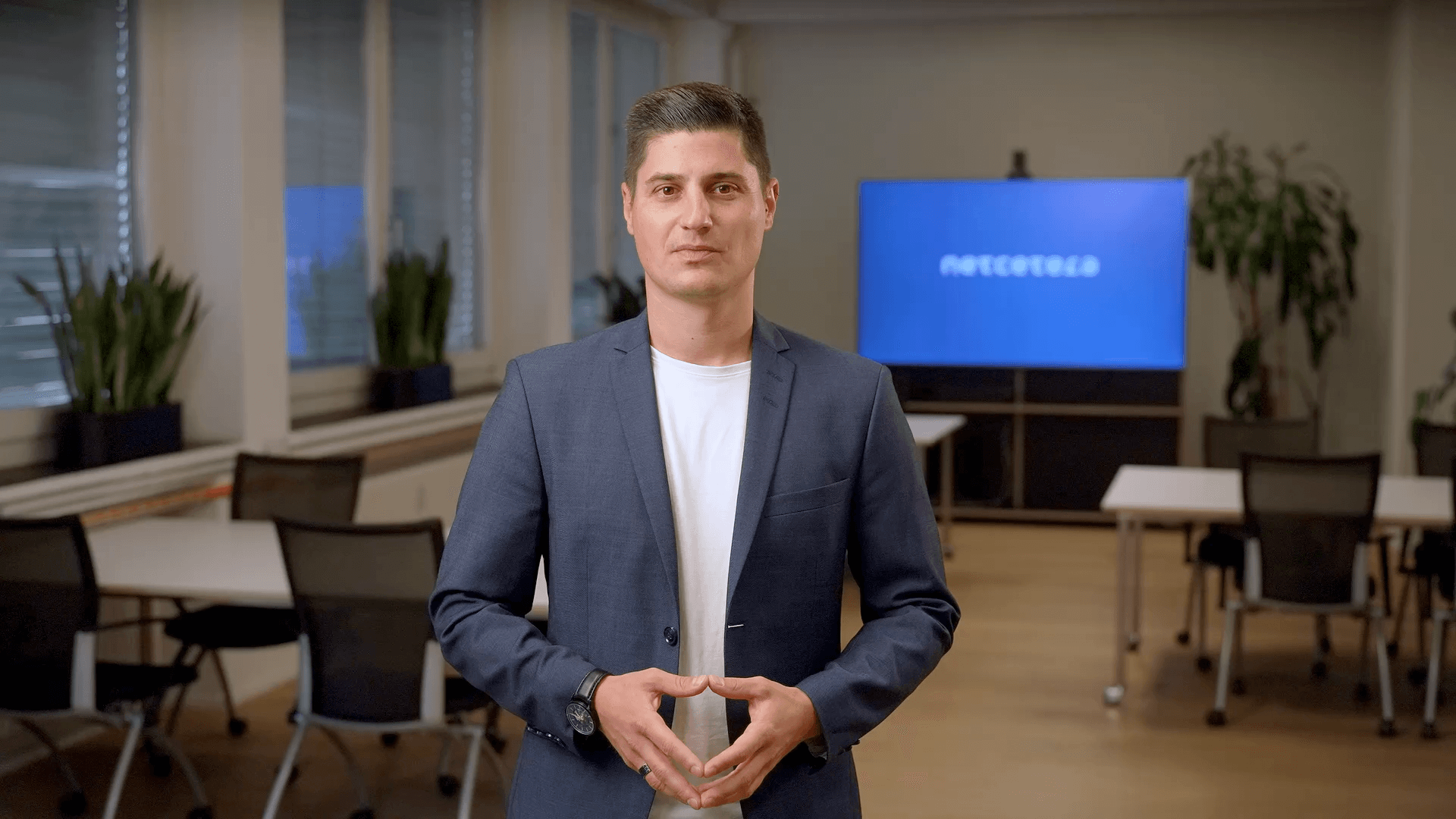
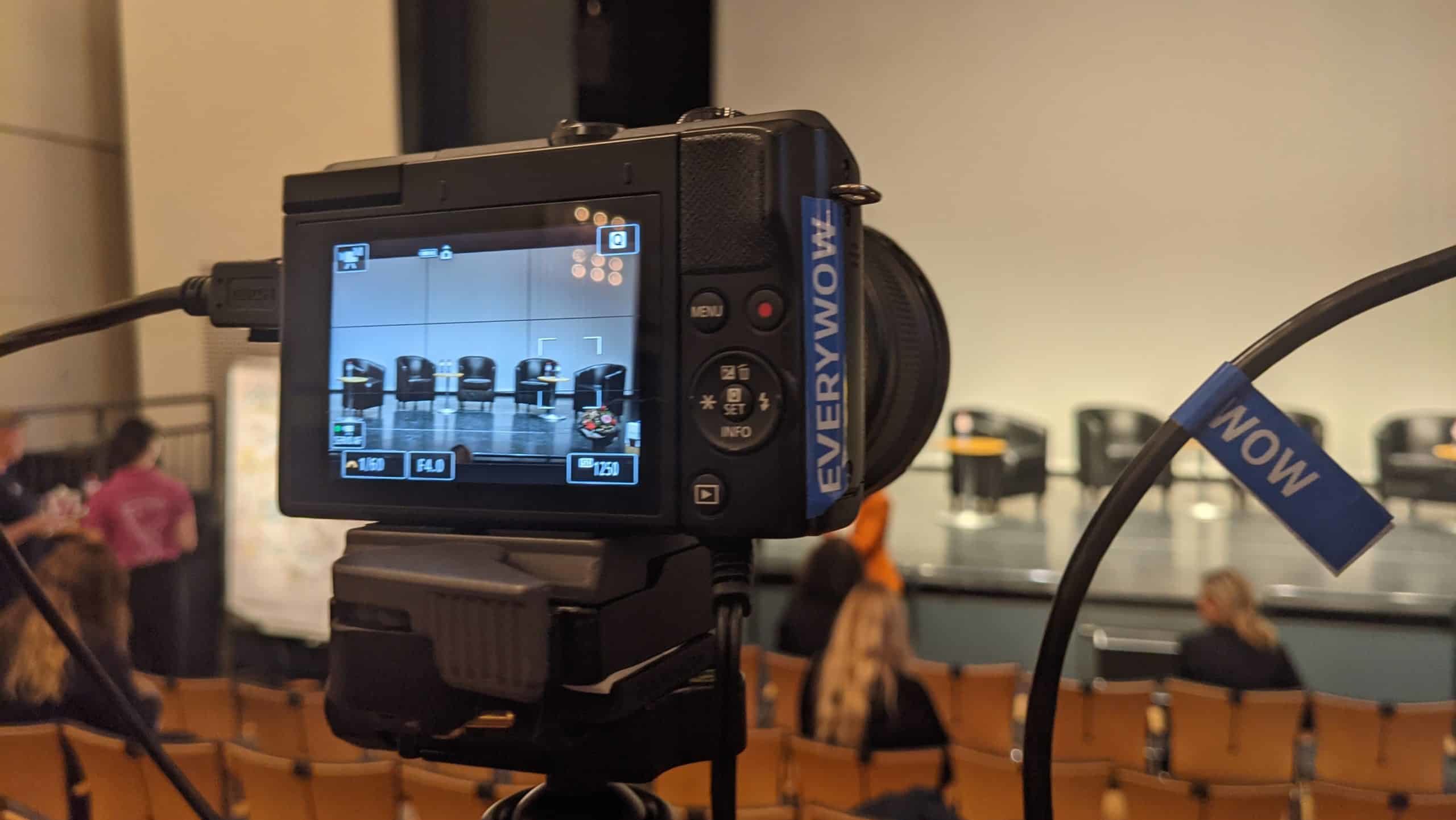
Authenticity on camera usually comes from proportion. Use framing, lighting, and direction that make the expert look composed and present, without turning the piece into a performance. Real offices, controlled natural settings, and clean sound often do more for credibility than dramatic visual tricks.
Interview direction matters especially. Precise questions produce precise answers. Long, abstract prompts usually produce filler.
Incorporating your brand identity
Brand identity should support recognition, not overwhelm the substance. A clear graphic system, consistent typography, intro treatment, and restrained colour use are usually enough.
The strongest branding often happens through tone and editorial consistency. If every video sounds unmistakably like your company, the visual layer can stay quiet.
Distribution of thought leadership videos
Distribution is part of the editorial plan, not an afterthought. A useful expert video should travel across the channels where the intended audience already spends time and where the surrounding context supports the message.
Choosing the right platforms for distribution
LinkedIn may be right for senior B2B visibility. A website article with an embedded video may be better for depth and search. Internal channels can matter if the video also supports employer branding, sales enablement, or leadership communication.
Pick platforms by audience behaviour and business purpose, not by habit alone.
Promoting your thought leadership videos
Promotion should extend the useful life of the video. Cut shorter excerpts, lift out strong written quotes, pair the clip with a useful article, and give sales or leadership teams clean ways to reuse the material.
A good thought leadership video becomes stronger when it is distributed in a way that preserves its clarity instead of stripping it down to a slogan.
FAQ
How long should a thought leadership video be?
Only as long as the idea needs. Many strong pieces land between one and five minutes, depending on depth and channel.
Do thought leadership videos need a full script?
Not always. Many experts perform better with a structured outline and a disciplined interview or briefing process.
What makes these videos feel self-promotional?
Usually broad claims, weak examples, and an obvious desire to impress instead of genuinely helping the audience think better.
Is a studio necessary for thought leadership videos?
No. A controlled real environment with good sound and clear framing is often more credible than a heavily staged setup.
How should companies reuse one strong expert recording?
Turn it into shorter clips, article support, newsletter material, sales follow-up assets, and internal knowledge content.