
Generative AI is useful for events when it handles narrow, well-defined tasks under human supervision. It is less useful as a vague promise to automate everything.
For virtual, hybrid, and on-site events, the practical value of AI usually sits in preparation, support, follow-up, and personalisation at scale. The important question is not whether AI exists. It is where it genuinely saves time or improves the attendee experience without creating new risk.
Table of Contents
Event planning and promotion
Using AI to help find ideas for a new event
AI can speed up early thinking when you need themes, naming options, agenda angles, audience questions, or comparison drafts. It is useful as a research assistant and brainstorming partner, especially when the team already knows the strategic direction and needs range rather than a final answer.
Tailored content and recommendations for attendees
Large events often overwhelm participants with too many sessions and too little guidance. AI can help generate short recommendations, suggested agendas, or content summaries based on declared interests. That only works well when the source data is clean and the recommendations stay transparent.
https://youtube.com/shorts/9sNDuxoIrQI?feature=share
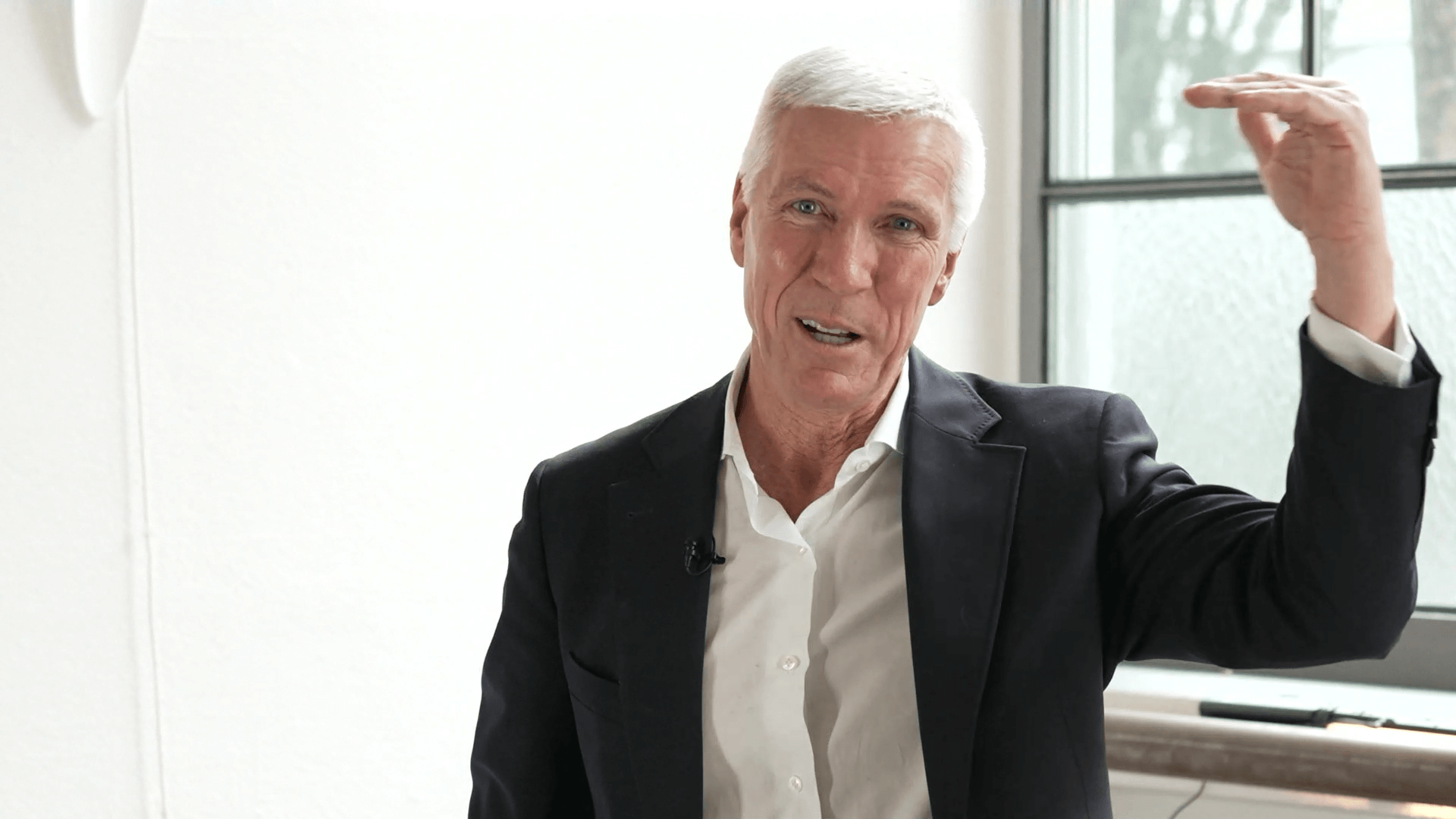
Deepfake Steffi shows how AI will influence the events industry
Dynamic content creation for targeted advertising
AI can create draft ad variations, event copy, audience-specific messaging, and first-pass visuals faster than a manual workflow. The important discipline is review. Event marketing still needs human judgment on tone, accuracy, claims, and brand fit.
Ensure the content quality of session information collected from speakers
Speaker submissions often arrive in different styles and levels of quality. AI can help standardise titles, descriptions, and formatting so the programme feels coherent. That is one of the safer use cases because the task is narrow and easy to review.
Personalized, scaled attendee support
AI assistants can answer routine attendee questions about access, timing, venue information, session locations, or registration status. They are most useful when they draw from approved event information and have a clear handover path to a human when the answer is uncertain.
Quick reaction to changes in the event schedule
Schedule changes are unavoidable. AI can help update summaries, signage text, reminders, and support responses faster when speakers change, sessions move, or rooms need to be reassigned. The value lies in response speed, not in letting the model improvise facts.
Optimize coordination with AI
Planning teams spend surprising amounts of time on status summaries, reminders, draft emails, and first-pass documentation. AI can reduce that administrative load and give producers more time for the work that still requires judgment, such as stakeholder alignment and production choices.
Engagement and interactions with Generative AI
Generating a personalized experience for each participant
AI can support a more tailored attendee journey by summarising relevant sessions, surfacing related content, or guiding people toward useful conversations. This is most valuable at larger events where people otherwise struggle to orient themselves quickly.
Real-time content generation to make the event more interactive
Used carefully, AI can support live polls, recap summaries, draft question clusters, or follow-up prompts during an event. The strongest use cases help moderators and participants process what is already happening rather than generating spectacle for its own sake.
Leveraging AI matchmaking for enhanced networking opportunities
Networking suggestions are one of the more practical event uses for AI. If attendees provide enough structured information, the system can suggest relevant people, sessions, or discussion themes. The recommendation logic should still be understandable enough that participants trust it.
Personalized icebreakers for meaningful connections
Generic networking prompts are usually forgettable. AI can help generate more specific conversation starters based on shared topics or roles. This works best with consent, limited data use, and enough editorial restraint that the suggestions feel useful rather than intrusive.
Analyse and improve after an event
Evaluating audience engagement and satisfaction with AI support
Post-event analysis is often messy because comments, survey answers, viewing behaviour, and chat logs sit in different places. AI can help summarise patterns, cluster recurring themes, and speed up the first analysis pass. Teams still need human review before turning those findings into decisions.
Utilizing generative AI to maintain audience relationships and loyalty
Follow-up becomes more useful when it reflects what people actually attended or cared about. AI can help draft segment-specific recap emails, content recommendations, and next-step communication, provided the data use is transparent and the message still feels human.
Improving event recordings with AI
Recording workflows already benefit from AI in transcription, rough-cut support, subtitles, searchable video, and clip extraction. This is one of the clearest practical gains because it shortens the path from long event recording to reusable post-event assets.
Integrating emerging technologies to enrich experiences
The interesting question is not which tool is newest. It is which tool solves a real production or audience problem cleanly. Event teams should evaluate AI with the same discipline they apply to any technology: usefulness, risk, reliability, privacy, and effort to maintain.
Conclusion
Generative AI can improve event work when the task is specific, the source information is controlled, and humans stay responsible for the final output. In events, that usually means better preparation, faster support, stronger follow-up, and more relevant personalisation.
The opportunity is real. So is the need for restraint.
FAQ
Where is AI most useful in event workflows today?
Usually in content preparation, attendee support, post-event summaries, and recording workflows. These are narrow tasks where review is practical and the time savings are clear.
What is the main risk of using generative AI for events?
Inaccuracy presented with confidence. That is why approved source material, human review, and clear escalation paths matter so much.
Can AI improve attendee experience without feeling intrusive?
Yes, if the use case is clear and helpful. Recommendations, summaries, and support can feel useful when they are transparent and based on limited, relevant data.
Should event teams automate communication completely?
No. Automation can speed up drafting and triage, but final communication still needs human judgment on accuracy, tone, and timing.