
AI can improve weak footage, speed up editing, and remove repetitive work. It does not replace editorial judgement. In serious productions, the gains come from using AI selectively and checking the result like any other craft decision.
That distinction matters. Clients often hope AI will rescue almost any recording. Sometimes it can. Often it can only improve what is already there. The practical value lies in faster cleanup, better accessibility, and smarter post-production choices.
Table of Contents
Deepfake technology
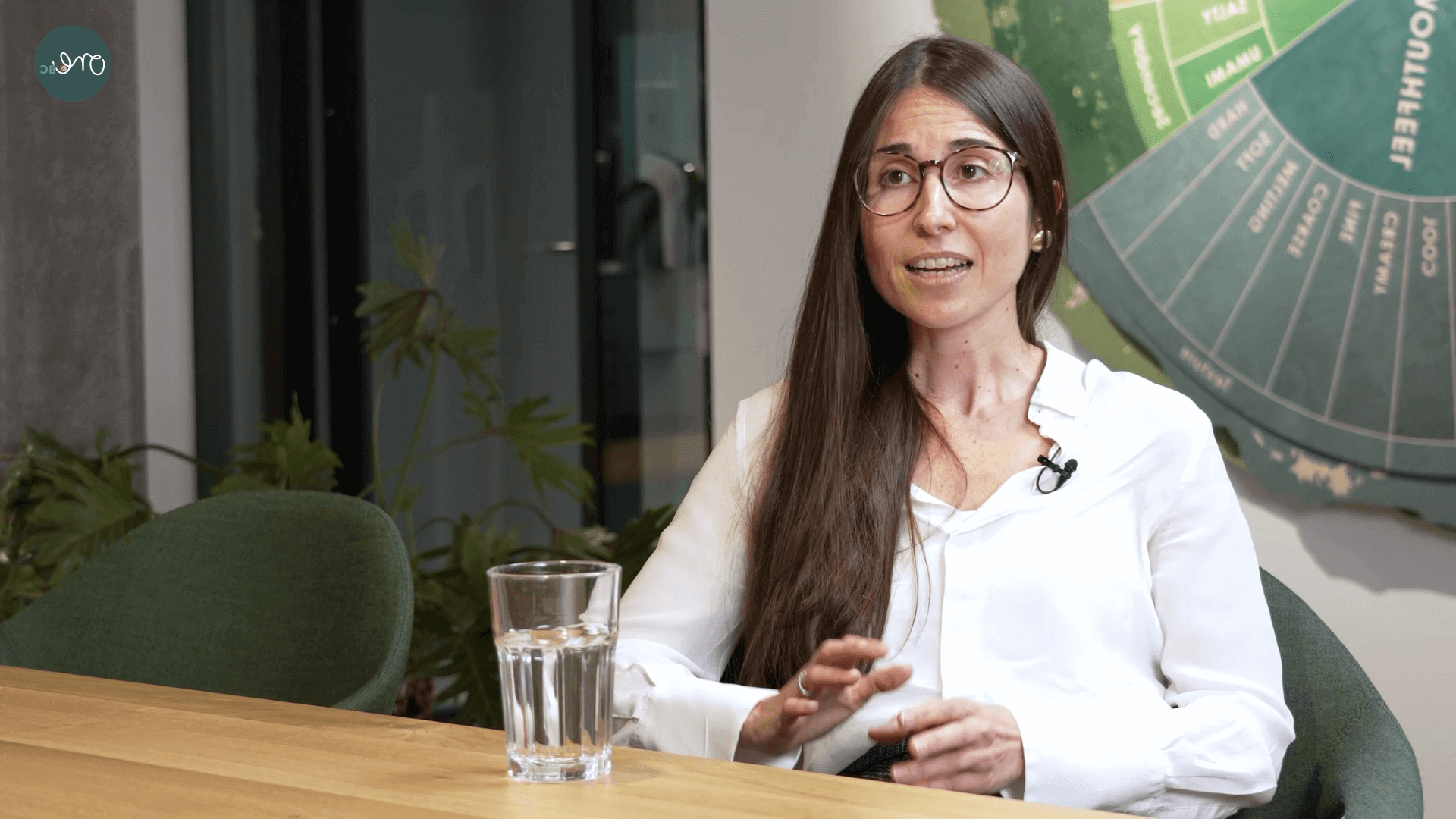
Deepfake tools can solve very narrow production problems. In one case, we used generative AI to repair webinar footage when a presenter’s camera had been off for part of the session. Used carefully, that kind of intervention can save otherwise unusable material.
It also needs discipline. Synthetic face or voice work should stay limited to cases where consent, purpose, and editorial accuracy are clear. If the edit changes what viewers believe happened, the tool is no longer just a repair shortcut.
AI-assisted audio enhancement
Audio cleanup is one of the most consistently useful AI editing tasks. Noise reduction, voice isolation, hum removal, and speech balancing can lift recordings that would previously have taken much longer to repair by hand.
That does not mean recording quality stops mattering. AI improves weak audio best when the speech is still intelligible. A good microphone and sensible room setup are still cheaper than trying to rebuild a damaged recording in post-production.
Automated subtitle generation
Automatic subtitles are one of the clearest examples of AI doing real production work. They make short-form video easier to consume in sound-off environments and improve accessibility for audiences who rely on captions.
The practical workflow is still hybrid. AI generates a first pass, then a human checks names, terminology, punctuation, timing, and any translation. That is especially important in bilingual work, where literal subtitle translation can become clumsy very quickly.
Improving visual aesthetics
AI-assisted clean-up can remove small distractions, extend frames, or help stabilise material that would otherwise look rough. Used well, these tools support the main subject and reduce visual noise.
The line to watch is editorial honesty. Removing a stray object or distracting passer-by is one thing. Altering the meaning of the scene is another. Visual polish should clarify what was filmed, not quietly rewrite it.
Custom background music
AI music tools are useful when a production needs fast direction, multiple mood options, or a first draft that fits a specific edit. They can reduce search time and help teams test tone before making a final licensing decision.
Music still needs judgement. A technically matched soundtrack can still feel wrong if it overstates emotion or weakens brand tone. Rights, consistency, and taste matter as much as generation speed.
Some AI tasks still fall short. Rotoscoping, synthetic voice replacement, and motion-based fixes can look plausible in short demos while failing under real project standards. The current value of AI in editing is highest where it accelerates careful human work instead of pretending to remove the need for it.
FAQ
Can AI fix badly recorded video completely?
No. It can improve many problems, but it cannot fully rescue footage that is fundamentally unusable.
Where does AI help most in video editing today?
Audio cleanup, first-pass subtitles, repetitive masking tasks, and small visual corrections are among the most useful areas.
Should subtitles generated by AI always be reviewed?
Yes. Names, terminology, punctuation, timing, and translations still need human checking before publishing.
Is AI-generated music automatically safe to use commercially?
No. Teams still need to check licensing terms, usage rights, and whether the result fits the intended brand tone.
What is the main risk when using AI visual tools?
The edit can drift from legitimate cleanup into changes that distort what viewers believe was really filmed.